Exceptional Veterinary Care in Virginia Beach, VA
Great Neck Veterinary Clinic
At Great Neck Veterinary Clinic, your pet’s health and happiness are at the heart of everything we do. As a trusted veterinary clinic in Virginia Beach, we proudly provide full-service care for dogs and cats throughout Great Neck, Hilltop, Chic’s Beach, Bayside, and the surrounding communities.
Comprehensive Veterinary Services for Every Stage of Life
We offer a wide range of medical services designed to support your pet’s health from puppyhood and kittenhood through their golden years. Whether your pet needs a routine checkup or specialized treatment, our experienced team is here to help — with compassion, integrity, and a personal touch. Our state-of-the-art facility and experienced team make it easy to get the care your pet needs — all in one place.
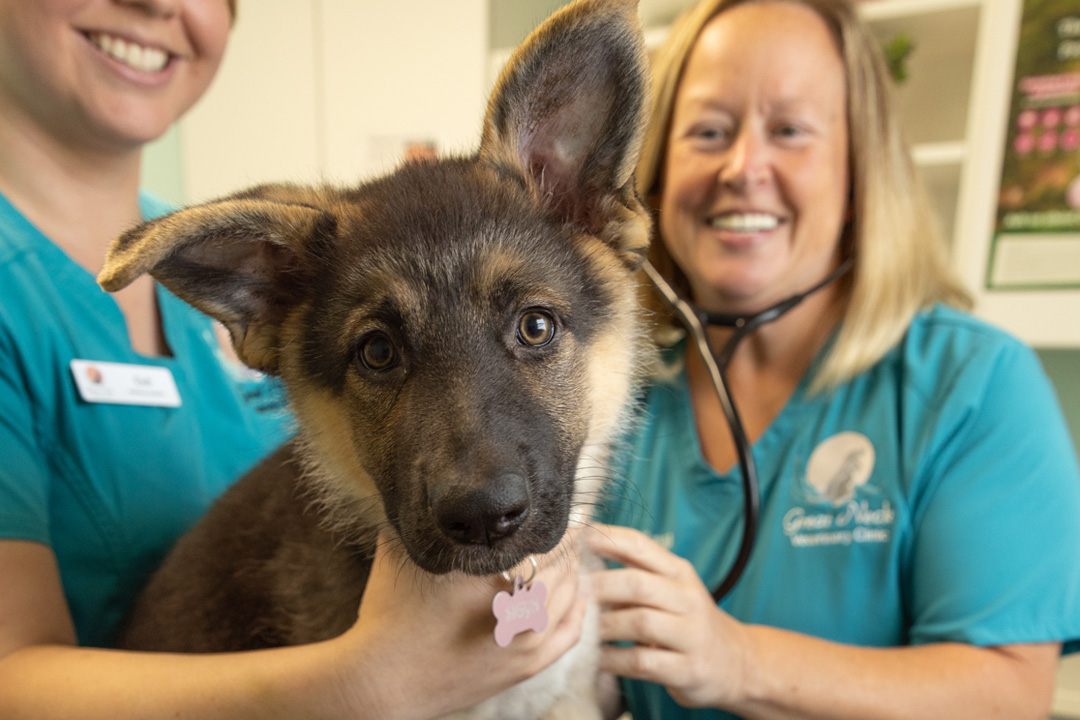
Wellness & Preventative Care
Annual exams and preventative care like vaccinations and parasite prevention all help your furry companion live a longer, healthier life by your side.
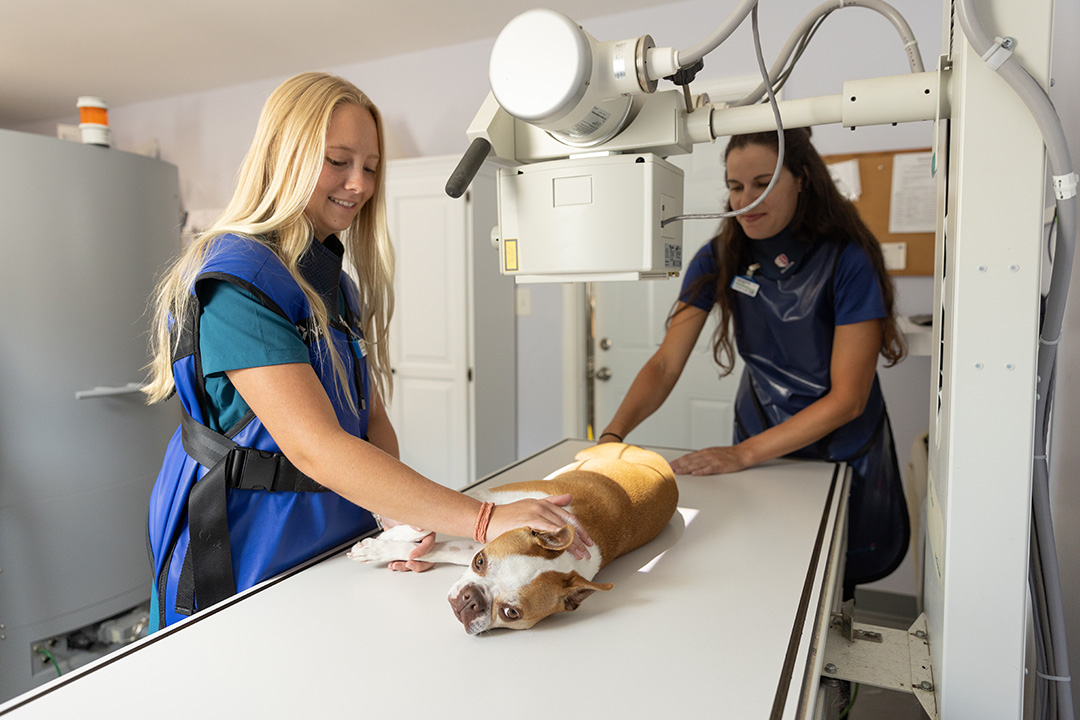
Sick Pet Examinations
We offer prompt evaluations and diagnostics for pets showing signs of illness, helping you get answers and start treatment as soon as possible.
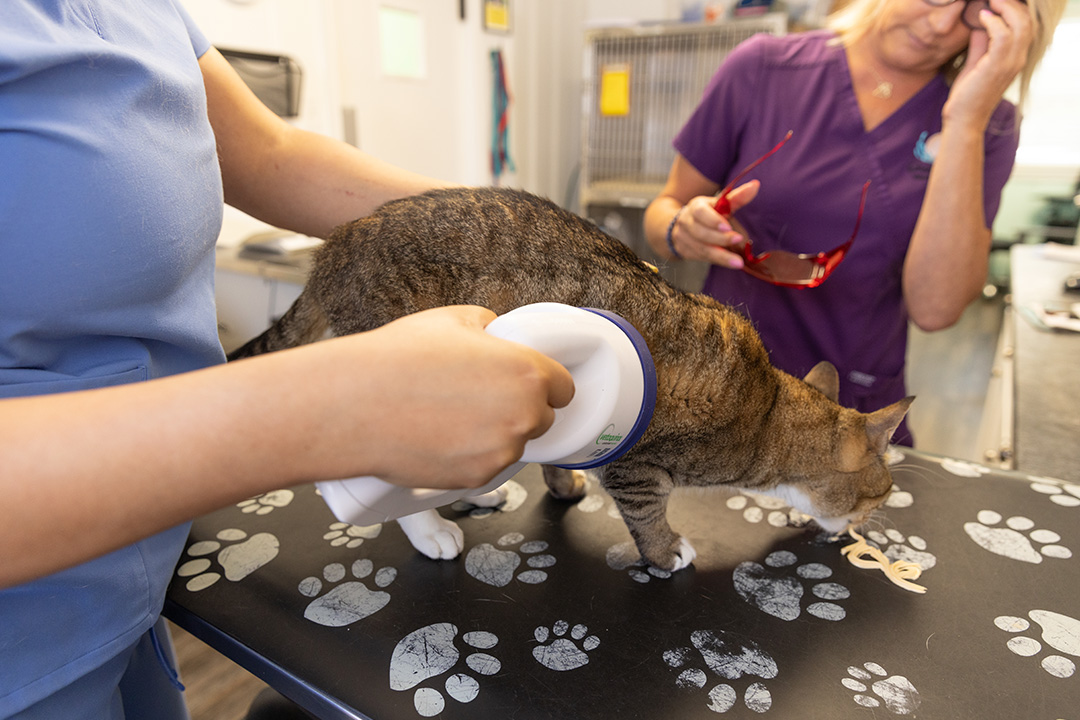
Aging Pet Care
We offer tailored senior care, including mobility support, regular screenings, and chronic condition management to ensure your pet’s golden years are comfortable.
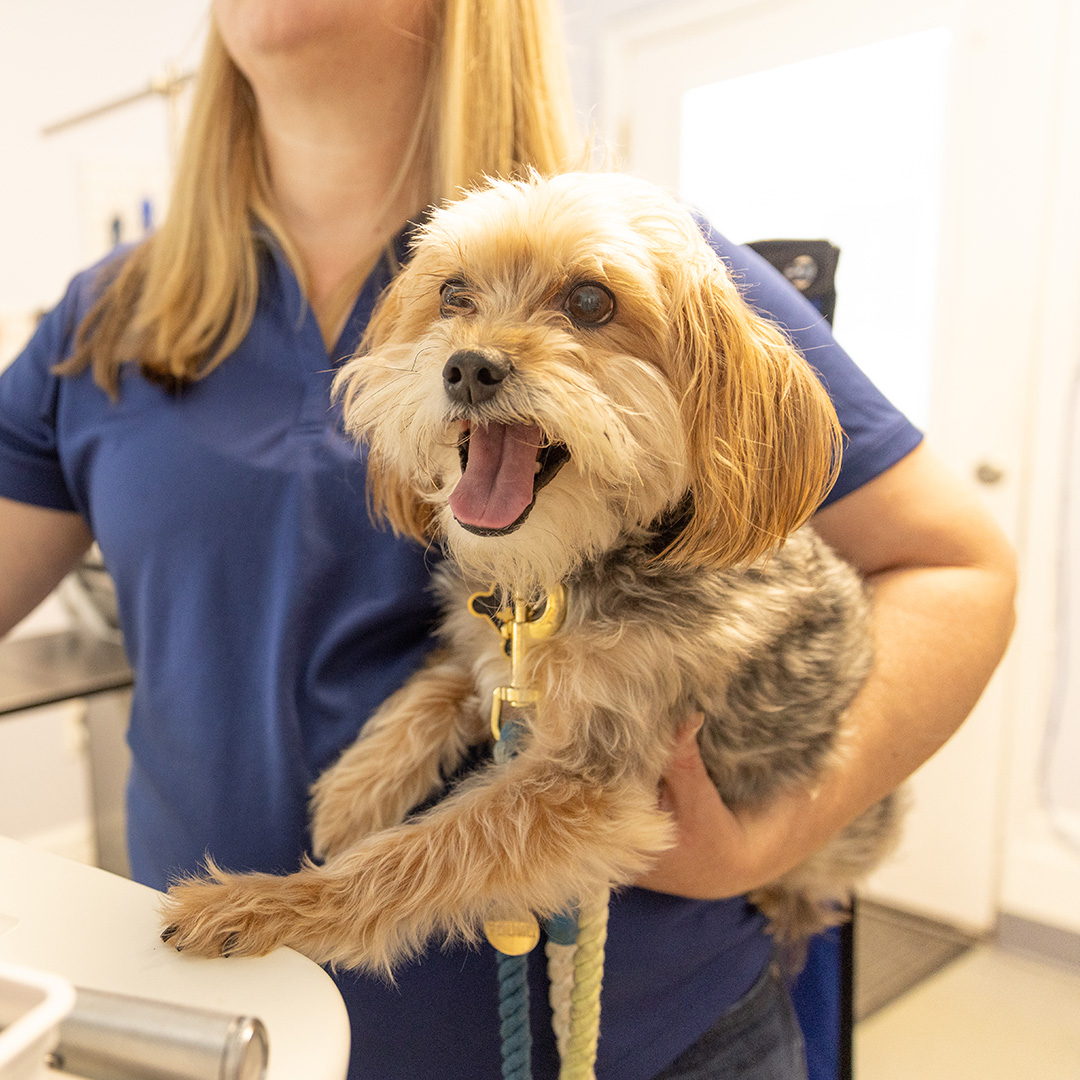

Why Pet Owners Trust Great Neck Veterinary Clinic
With more than 30 years of service in Virginia Beach, we’ve built a reputation for excellence in veterinary medicine and compassionate care. Here’s what sets us apart:
- Fear Free Care: We use gentle, stress-reducing techniques for a more comfortable experience.
- Advanced Technology: From laser therapy to CT scans, we invest in modern tools to support accurate diagnosis and effective treatment.
- Tailored Support: We take time to listen and collaborate with you on personalized care plans that meet your pet’s needs — and your family’s preferences.
Meet Our Compassionate Veterinary Team
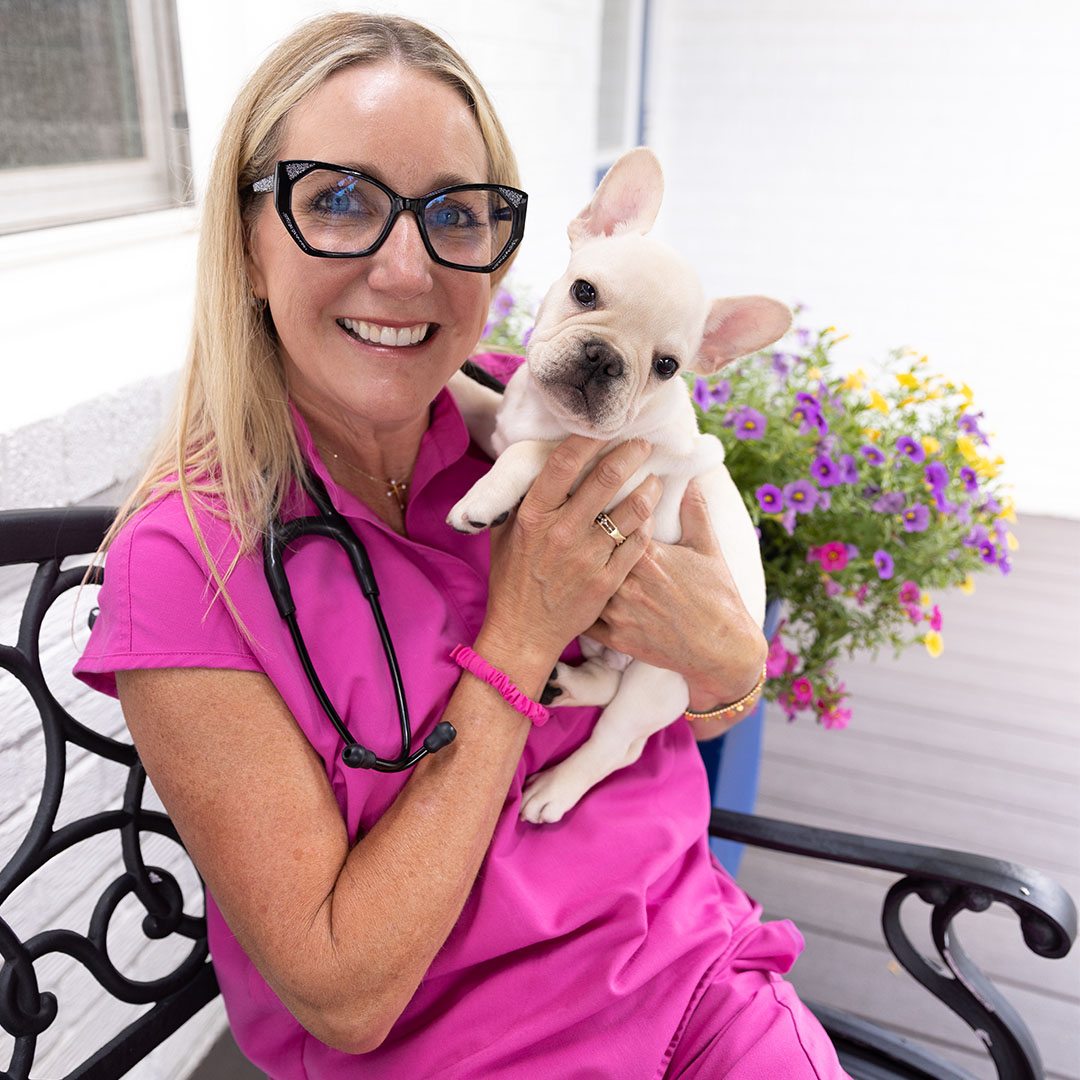
Our dedicated team of veterinarians, technicians, and support staff is committed to treating every pet like family. With decades of experience and a deep love for animals, our team is proud to provide the highest standard of care.

Hear What Our Patients Are Saying
We’re honored by the trust pet parents place in us every day. From routine visits to emergency care, our clients know they can count on Great Neck Veterinary Clinic for expert guidance and heartfelt compassion.

Dawn L.
“Great Neck Vet is Awesome! This is for our cat getting care over the years! They are always so welcoming and friendly! Noelle has been there for us over the years! Shawn and Dr. Lawson were great! We do and will keep recommending them!”

Kara B.
“Great place to bring your pet! Friendly and knowledgeable staff, great communication, and they seem like they truly care! Wonderful experience from the front office to vet tech/ vet!! Would highly recommend taking your fur baby here!”

Ragen D.
“I’ve been going to GNV for about 5 years now! They are wonderful! My dog has been through some weird stuff, and they have always been so caring, understanding, and accommodating! I have never left unhappy, and now I have 25 minutes for appointments! Highly recommend!!”